Your AI Writing Sounds Like a Robot — Here Is How to Make It Sound Like You
You can always tell when something was written by AI without editing. There is a certain style — overly polished, strangely structured, full of phrases like "it is important to note" and "in conclusion" and endless bullet points. It is technically correct but somehow hollow. If you have been using AI to write blog posts, emails, or social media content and noticed that readers are not engaging the way you hoped, the robotic voice is likely the reason.
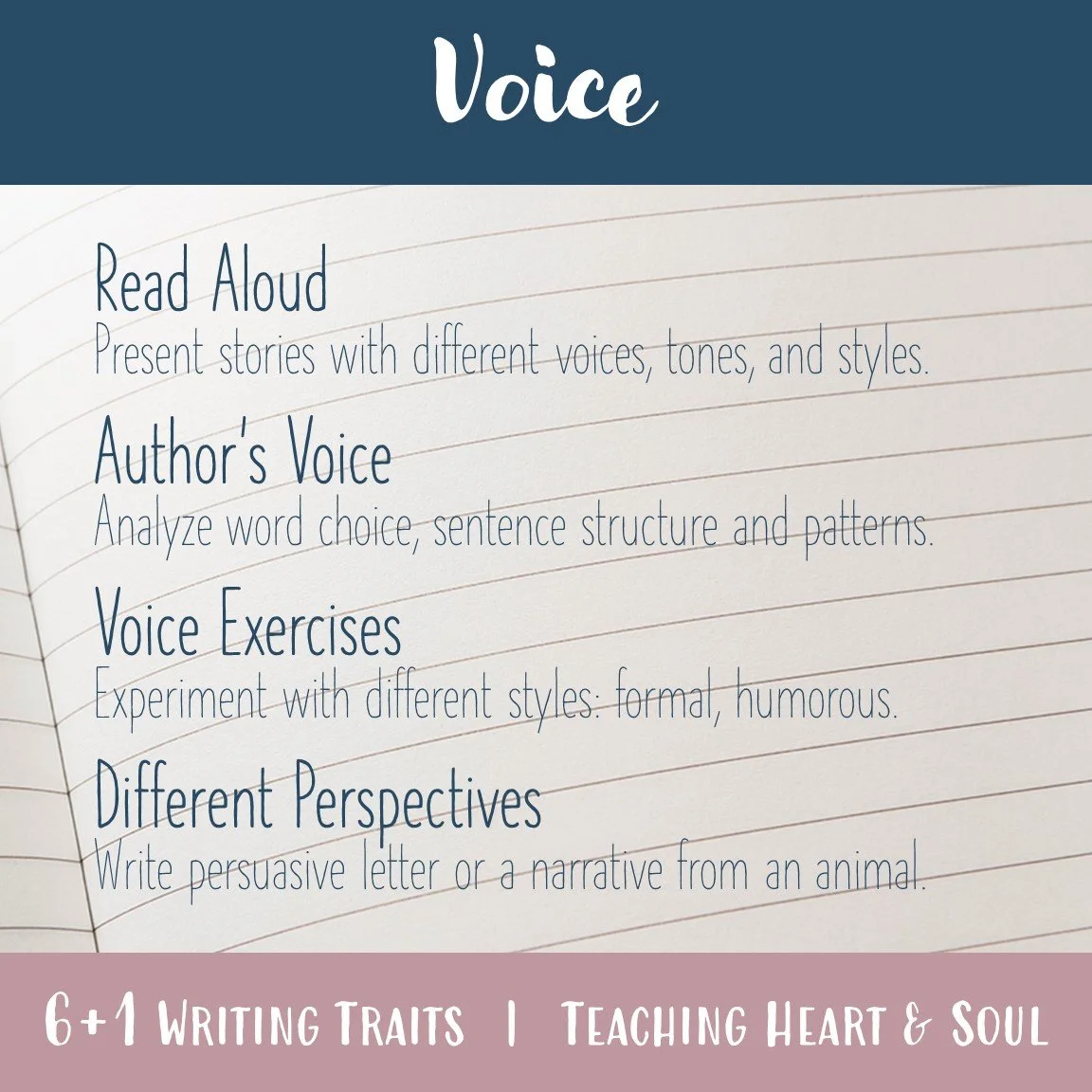
Why AI Writes the Way It Does
AI models learn from billions of examples of text from across the internet. The text that gets used most in training tends to be formal, structured, and professionally edited — which is why AI naturally gravitates toward a formal, list-heavy, hedging style. It is playing the statistical average of all human writing, which ends up sounding like no individual human at all.
6 Techniques to Make AI Content Sound Human
Give the AI examples of your own writing. Paste two or three paragraphs of text you have written yourself and say "match this tone and style." AI is excellent at style transfer when given a reference point.
Ban the clichés explicitly. Tell the AI in your prompt: "Do not use phrases like 'it is important to note', 'in today's fast-paced world', 'in conclusion', or 'let's dive in'." These specific instructions dramatically reduce AI-speak.
Ask for shorter sentences and direct language. AI defaults to long, complex sentences. Instruct it to write in short, clear sentences under 20 words each. This immediately creates a more conversational feel.
Add your own specific details. The fastest way to make AI content sound human is to inject details that only you would know — a specific client story, a personal mistake you made, a data point from your own experience. AI generates general examples; you replace them with real ones.
Rewrite the opening sentence yourself. The first sentence sets the tone for everything that follows. Delete the AI's opening line and write your own. Your natural voice takes over immediately and the rest of the piece reads better as a result.
Use AI for structure, write the voice yourself. This is the most effective approach for most creators. Use AI to create the outline, generate the key points, and fill in research. Then write each section in your own words using AI's notes as a guide rather than a final draft.


Comments
Post a Comment